The date was March 16, 1783. General Washington was stationed in New York after the battle of Yorktown. He was stationed there with 7,000 colonial troops lest the British should decide to keep up the fight. Many of the men stationed with the general were officers and soldiers who had fought alongside him during the war. With an official "cessation of hostilities" not yet being signed, the men were all that stood between the British army and the preservation of the independence of the United States of America.
 The group of soldiers were growing restless as some of them had not been paid for the entire duration of the war. A letter was circulating among officers proposing that the officers stage a coup and present Congress with an ultimatum: Either find the money to pay the officers immediately, or they would walk away from their posts and leave the Congress to defend itself against the British - or, more likely, they would themselves seize control of the government. They planned to put General Washington at the head of this military dictatorship.
Had General Washington and his troops moved forward with this proposal, the American Revolution would have ended as all revolutions had ended. In fact, there was no reason to think that it would end in any other way. In all the history of the world, whenever a revolutionary conflict was fought, a new leader arose from the victor's side to take control as the new monarch. It was the only probable outcome.
George Washington, however, didn't fit the same mold of revolutionaries of world's past. When he caught wind of the proposal, The General was gravely disappointed and delivered a speech that showed his character, and preserved the nation. He began his speech by rebuking them for the "anonymous summons" to gather and deemed their actions "unmilitary" and "subversive of all order and discipline". He went on to say the following:
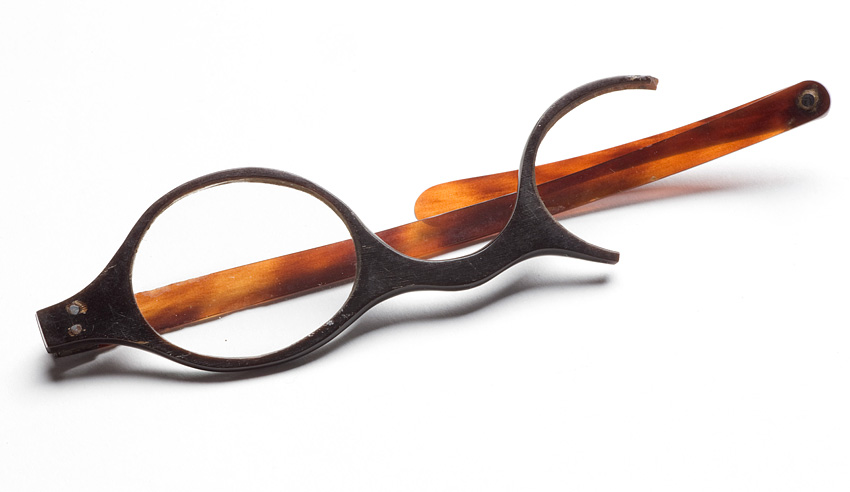 Upon finishing his speech, he had something else that he wanted to read to his officers. He reached into his pocket and retrieved a letter that had been written by a Virginia congressman. After the general began reading the letter with some difficulty, he reached into his waistcoat pocket and pulled out a pair of wire-rimmed spectacles and said,
"Gentlemen, you must pardon me. I have grown gray in your service and now find myself growing blind."
The men present wept at the sight of it. George Washington plead with his mean to hold to their honor and patient virtue in a time when they most needed it. He was able to do so because he himself demonstrated those qualities. He was a man of virtue who on that day, preserved a nation.
Every American should know and be proud of this story. It is the story of the day when one man turned down the chance to become the king of the American Colonies and made freedom possible for each one of us.
I am grateful for his vision. I am grateful for his humility. God bless George Washington, and God bless The United States of America.
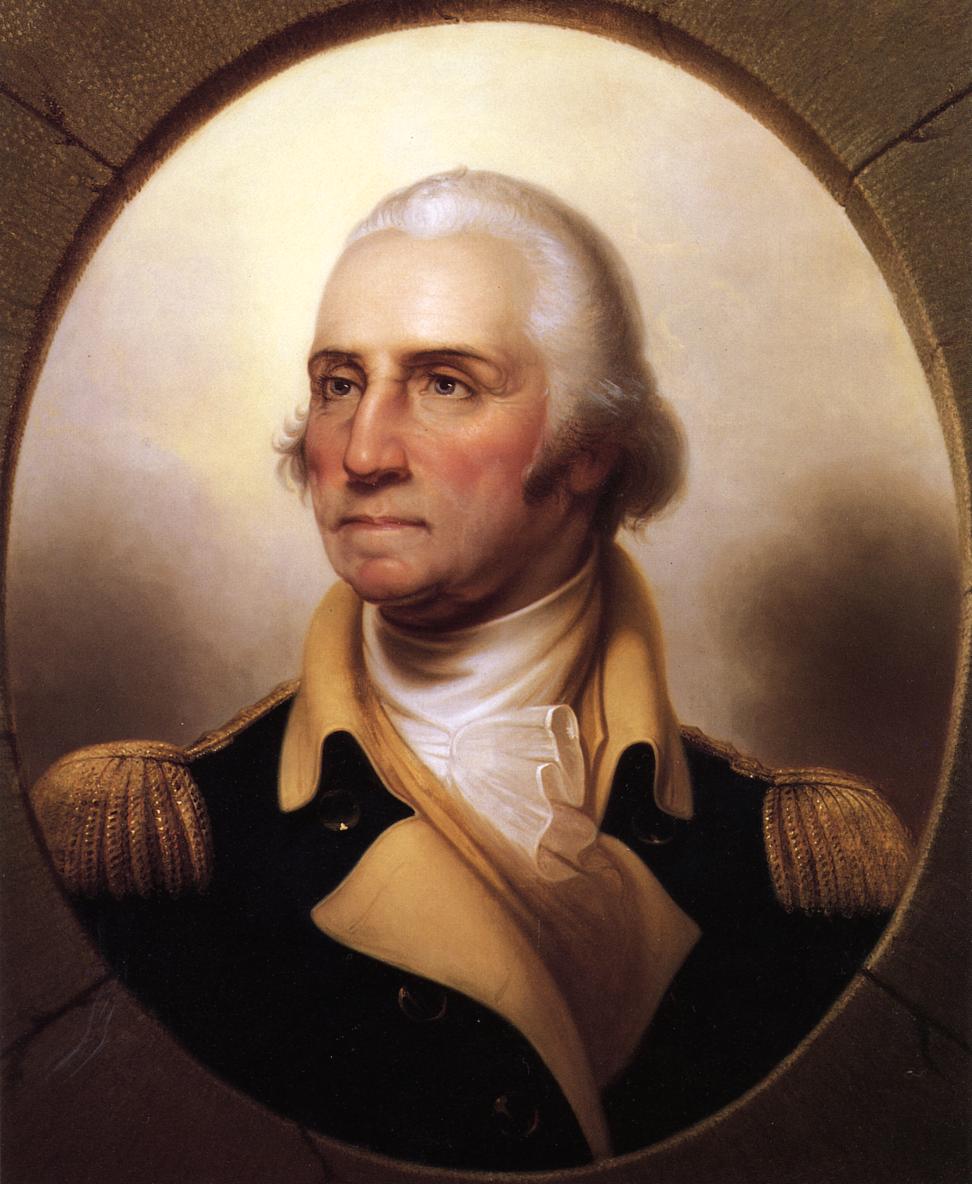 The group of soldiers were growing restless as some of them had not been paid for the entire duration of the war. A letter was circulating among officers proposing that the officers stage a coup and present Congress with an ultimatum: Either find the money to pay the officers immediately, or they would walk away from their posts and leave the Congress to defend itself against the British - or, more likely, they would themselves seize control of the government. They planned to put General Washington at the head of this military dictatorship.
Had General Washington and his troops moved forward with this proposal, the American Revolution would have ended as all revolutions had ended. In fact, there was no reason to think that it would end in any other way. In all the history of the world, whenever a revolutionary conflict was fought, a new leader arose from the victor's side to take control as the new monarch. It was the only probable outcome.
George Washington, however, didn't fit the same mold of revolutionaries of world's past. When he caught wind of the proposal, The General was gravely disappointed and delivered a speech that showed his character, and preserved the nation. He began his speech by rebuking them for the "anonymous summons" to gather and deemed their actions "unmilitary" and "subversive of all order and discipline". He went on to say the following:
If my conduct heretofore has not evinced to you that I have been a faithful friend to the army, my declaration of it at this time would be equally unavailing and improper. But as I was among the first who embarked in the cause of our common country. As I have never left your side one moment, but when called from you on public duty. As I have been the constant companion and witness of your distresses, and not among the last to feel and acknowledge your merits. As I have ever considered my own military reputation as inseparably connected with that of the army. As my heart has ever expanded with joy, when I have heard its praises, and my indignation has arisen when the mouth of detraction has been opened against it, it can scarcely be supposed, at this late stage of the ward, that I am indifferent to its interests.
Why would we distrust them (congress)? And why, in consequence of that distrust, adopt measures which will cast a shade over that glory which as been so justly acquired, and tarnish the reputation of an army which has been celebrated throughout all Europe for its fortitude and patriotism?
While I pledge myself in the most unequivocal manner to exert whatever ability I am possessed of in your favour, let me entreat you, gentlemen, on your part, not to take any measures which, viewed in the calm light of reason, will lessen the dignity and sully the glory you have hitherto maintained....Let me conjure you, in the name of our common country, as you value your own sacred honor, as you respect the rights of humanity, and as you regard the military and national character of America, to express your utmost horror and detestation of the man who wishes, under any specious pretenses, to overthrow the liberties of our country, and who wickedly attempts to open floodgates of civil discord and deluge our rising empire in blood.
By thus determining and acting...you will give one more distinguished proof of unexampled patriotism and patient virtue, rising superior to the pressure of the most complicated sufferings. And you will, by the dignity of your conduct, afford occasion for posterity to say, when speaking of the glorious example you have exhibited to mankind, "Had this day been wanting, the world had never seen the last stage of perfection to which human nature is capable of attaining.".
Upon finishing his speech, he had something else that he wanted to read to his officers. He reached into his pocket and retrieved a letter that had been written by a Virginia congressman. After the general began reading the letter with some difficulty, he reached into his waistcoat pocket and pulled out a pair of wire-rimmed spectacles and said,"Gentlemen, you must pardon me. I have grown gray in your service and now find myself growing blind."
The men present wept at the sight of it. George Washington plead with his mean to hold to their honor and patient virtue in a time when they most needed it. He was able to do so because he himself demonstrated those qualities. He was a man of virtue who on that day, preserved a nation.
Every American should know and be proud of this story. It is the story of the day when one man turned down the chance to become the king of the American Colonies and made freedom possible for each one of us.
I am grateful for his vision. I am grateful for his humility. God bless George Washington, and God bless The United States of America.
Comments
Post a Comment